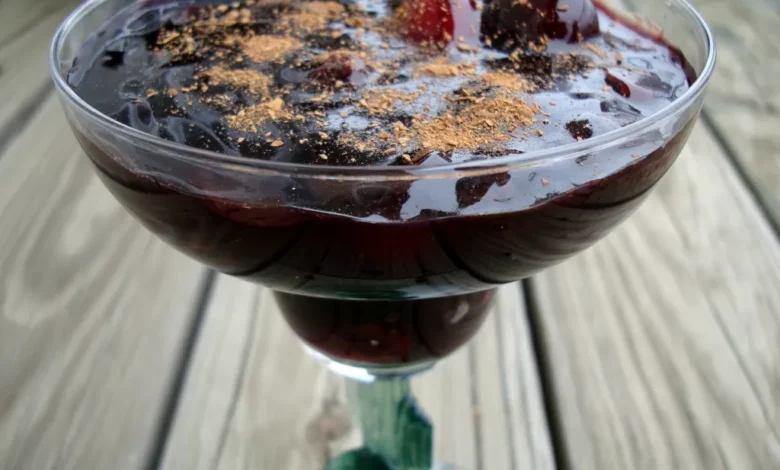
If you have ever found yourself staring into the glowing screen of your phone typing the phrase “best mazamorra morada near me,” you are not just looking for a sugar fix. You are on a mission to track down one of the most culturally significant, comforting, and texturally magnificent desserts on the planet. This classic Peruvian purple corn pudding is a masterclass in culinary balance, offering a glossy, velvet-smooth texture that tastes like a warm, spiced hug from the Andean highlands.
Finding an authentic version outside of Lima requires a little bit of insider knowledge. You cannot just walk into any generic pan-Latino restaurant and expect them to have an industrial-sized pot of purple corn simmering in the back. True mazamorra morada is an intensive labor of love that demands specific native ingredients and a meticulous thickening technique.
To help you skip the disappointing, watery imitations and head straight to the real deal, this guide breaks down exactly what makes an exceptional mazamorra morada. We will look at what to look for on local menus, how to verify an authentic kitchen, and why this deep-violet dessert has won hearts across the globe for centuries.
The Anatomy of an Authentic Purple Corn Pudding
When evaluating options near you, your first line of defense is checking the ingredient profile of the restaurant or pop-up market you plan to visit. True mazamorra morada gets its signature, mesmerizing midnight-purple color from maíz morado, a deeply pigmented native Peruvian corn packed with antioxidants. A premium kitchen will never use artificial dyes or cheap shortcuts like pre-packaged purple juices; they will slow-boil the actual dried corn cobs from scratch to extract the rich, earthy base flavor.
This purple corn liquid is then simmered with a fragrant matrix of spices and fruits that give the dessert its complex, layered aroma. Look for places that infuse their base with real cinnamon sticks, whole cloves, star anise, and the peels of fresh pineapple or quince. As it boils, the corn liquid absorbs the tropical sweetness of the fruit skins and the sharp warmth of the spices, turning the mixture into a deeply aromatic elixir before any sugar is even added.
Finally, let us talk about the dried fruits and the thickener, which make or break the texture. An authentic recipe features plump, rehydrated dried fruits like prunes, raisins, and dried apricots floating throughout the jelly. More importantly, an expert chef will thicken the pudding using harina de camote (sweet potato flour) or high-quality potato starch rather than standard cornstarch. This specific choice of starch is what gives the dessert its signature translucent, glossy sheen and its uniquely silky, almost elastic mouthfeel.
How to Spot an Expert Peruvian Kitchen in Your Area
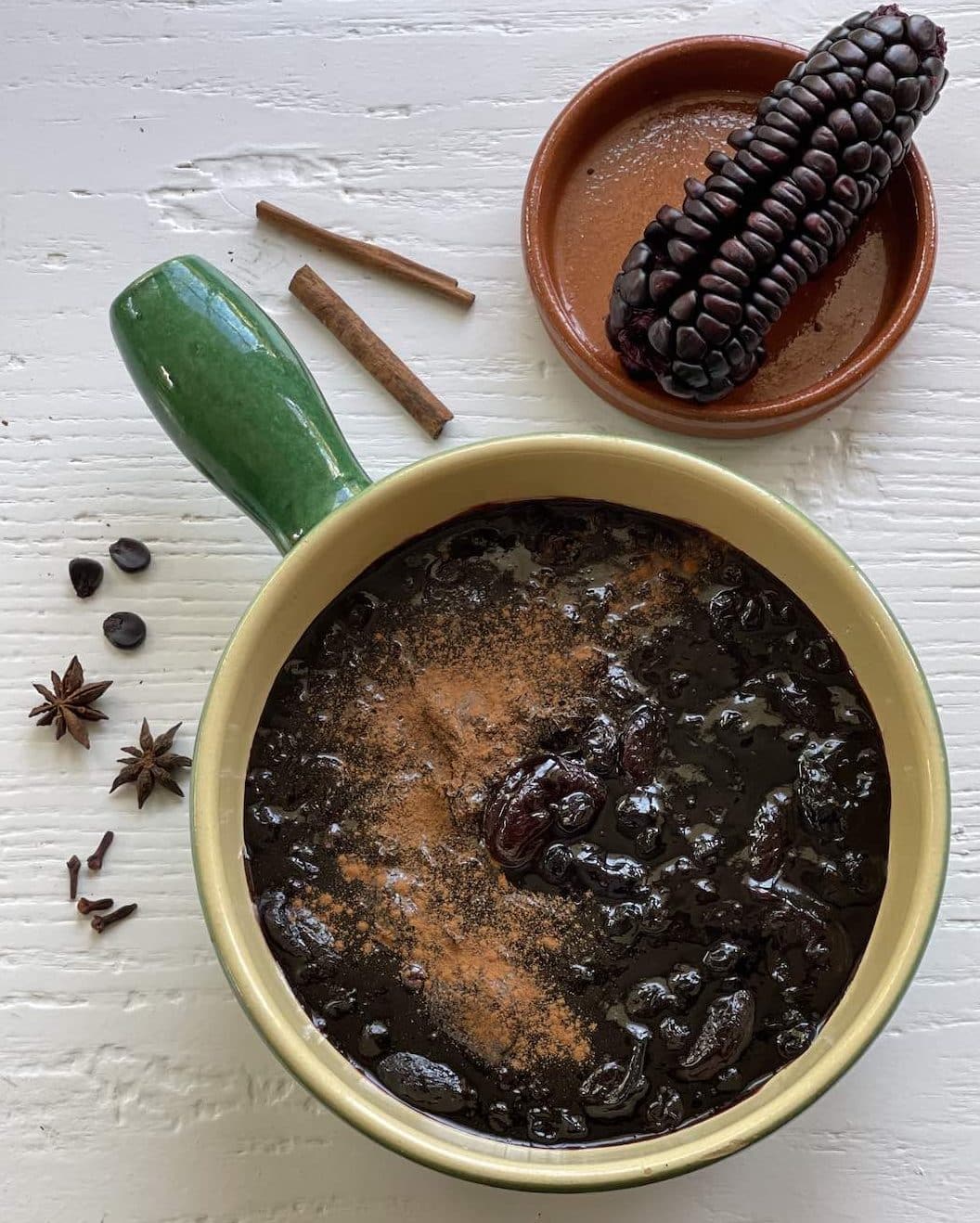
Best mazamorra morada near me. Finding the best spot nearby means looking for specific cultural clues on the menu and within the establishment itself. First, check if the restaurant treats its dessert menu as an afterthought or a point of pride. If mazamorra morada is listed right alongside heavy hitters like Lomo Saltado and Ceviche, or if they offer a daily rotation of fresh postres, you are likely dealing with a kitchen that respects the full scope of Peruvian gastronomy.
Another dead giveaway of an expert-level establishment is the option to order a combinado. In Peru, street vendors and traditional restaurants rarely serve mazamorra morada completely isolated. Instead, they serve it side-by-side in the same bowl with arroz con leche (Peruvian rice pudding). This combination is affectionately known as “El Clásico” or “Sol y Sombra” (Sun and Shade), where the piping-hot, tart, fruit-forward purple pudding cuts through the rich, creamy, vanilla-scented sweetness of the rice pudding. If a local joint offers the combinado, it means they are cooking for a diaspora that knows exactly how tradition should taste.
Do not overlook local cultural festivals, church bazaars, or weekend pop-up markets, especially during October. In Peru, October is known as the Mes Morado (Purple Month), dedicated to the religious procession of the Lord of Miracles (Señor de los Milagros). During this season, home cooks and professional chefs alike step up their game, making massive batches of mazamorra morada to serve to eager crowds. Finding a local Peruvian community market during this time is your absolute best bet for scoring an unadulterated, Grandma-approved version.
Tasting Notes: What Separates the Best from the Rest
Once you have your bowl in front of you, it is time to judge the quality like a true culinary expert. First, look at the surface consistency. Excellent mazamorra morada should look like polished glass under the light—glossy, vibrant, and incredibly smooth. If it looks matte, cloudy, or has a thick, rubbery skin on top, it has either been sitting out under a heat lamp for too long or it was thickened incorrectly with too much standard flour.
Next, dip your spoon in and check the temperature and texture balance. While it can be enjoyed chilled, the absolute best way to experience it is warm or at room temperature, which coaxes out the maximum aroma from the cinnamon and cloves. The consistency should be suspended perfectly between a liquid and a solid gelatin—thick enough to coat the back of your spoon generously, but fluid enough to slide away effortlessly without feeling pasty or gummy.
Finally, evaluate the flavor equilibrium. Your first bite should deliver a bright burst of tartness from a final splash of fresh lime juice added at the end of the cooking process, immediately followed by the warm, comforting spice of cinnamon. The sweetness should feel balanced by the natural tartness of the stewed fruits, rather than overwhelming your palate like pure corn syrup. Each bite should feature a mix of smooth pudding and tender, juicy pieces of rehydrated fruit, culminating in a light dusting of freshly ground cinnamon on top that hits your nose before the spoon even reaches your mouth.
| Feature | Authentic Artisan Standard | Red Flags to Avoid |
| Thickening Agent | Sweet potato flour or fine potato starch | Excess cornstarch or standard wheat flour |
| Color Base | Whole maíz morado cobs boiled fresh | Artificial purple food coloring or powdered juice mixes |
| Serving Style | Warm, often as a combinado with rice pudding | Strictly ice-cold, stiff blocks straight from a plastic tub |
| Fruit Components | Plumped raisins, prunes, and fresh pineapple | Zero fruit or tough, un-hydrated raisins |
Pro Tip for the Ultimate Experience: If you manage to find a spot that serves a fresh combinado, do not mix the two puddings together into a muddy paste right away! Instead, use your spoon to scoop up a half-and-half bite of the hot, tart purple mazamorra and the cool, creamy white rice pudding. The temperature and flavor contrast is exactly what makes this dessert a legendary street-food staple.