Unmasking Pavatalgia Disease: The Modern Guide to Understanding and Managing Nerve-Induced Limb Discomfort

It is an all-too-familiar scenario in modern clinics: a patient walks in complaining of a deep, relentless ache in their legs or arms. It is not the dull throbbing of a bruised muscle, nor is it the sharp, mechanical pinch of a slipped spinal disc. Instead, it feels like an internal electrical storm—a mixture of burning sensations, unpredictable cramping, and a profound, heavy fatigue that seems to settle directly into the tissue. In clinical discussions and developing medical frameworks, this specific presentation of nerve-mediated extremity pain is increasingly categorized under the umbrella of pavatalgia.
For years, patients dealing with these exact symptoms found themselves caught in a frustrating diagnostic loop. They would bounce from orthopedists to rheumatologists, accumulating clean X-rays and normal blood panels while their physical discomfort remained entirely unaddressed. Today, we understand that pavatalgia is not a phantom issue; rather, it is a complex physiological response driven by early sensory nerve irritation, localized poor circulation, or an overactive immune response targeting peripheral pathways.
When you are living with pavatalgia, the lack of immediate, clear-cut answers can feel overwhelming. However, understanding how this condition functions on a microscopic level changes the game entirely. By shifting our perspective from broad, generalized pain to focused neuromuscular care, we can peel back the layers of this condition and build a practical roadmap toward long-term relief and functional recovery.
The Neurological Underpinnings: How Pavatalgia Alarms Your System
To truly understand pavatalgia, we have to look past the surface symptoms and examine the intricate web of the peripheral nervous system. Your nerves are essentially the body’s fiber-optic cables, constantly relaying messages regarding temperature, pressure, and position back to the brain. In a healthy system, these signals travel smoothly, without any static. However, when localized inflammation or metabolic stress disrupts the protective myelin sheath surrounding these nerve fibers, the communication line degrades, triggering the early sensory signs of pavatalgia: tingling, a distinct numbness, or a deep-seated burning.
This disruption often triggers a phenomenon known as peripheral sensitization. Because the nerve fibers are under constant duress, their threshold for firing signals drops significantly. Suddenly, normal physiological processes—such as the simple muscle contractions required for walking or standing—are misinterpreted by the brain as intense, painful events. This misfire explains why individuals experiencing pavatalgia often describe their discomfort as a heavy, dragging fatigue that feels entirely disproportionate to their actual physical exertion.
Furthermore, this neurological distress rarely acts alone. The prolonged irritation of these nerve pathways frequently triggers localized vascular spasms, reducing the efficient delivery of oxygenated blood to the surrounding muscle tissues. This creates a challenging dual mechanism: your nerves are misfiring because they are irritated, and your muscles are cramping because their microcirculation is compromised. Recognizing this dual neurological and vascular relationship is the absolute cornerstone of accurate clinical management.
Mapping the Physical Toll of Advanced Neural Distress
[Early Stage Sensory Nerve Irritation]
                 │
                 ▼
[Peripheral Sensitization (Lowered Pain Threshold)]
                 │
                 ▼
[Localized Vascular Spasms & Restricted Blood Flow]
                 │
                 ▼
[Chronic Neuromuscular Pain & Heavy Tissue Fatigue]
Triggers and Root Causes: What Fuels the Fire?

Pinpointing the exact spark behind Pavatalgia Disease requires a bit of medical detective work, as the condition rarely stems from a single, isolated incident. More often than not, it is the result of systemic vulnerability colliding with a distinct environmental or physiological trigger. One of the most prevalent catalysts is an autoimmune or post-viral overreaction. Following a routine viral or bacterial illness, a confused immune system can mistakenly produce antibodies that target the peripheral nerve structures, sparking localized inflammation that manifests as widespread extremity pain.
Beyond post-viral complications, metabolic imbalances and lifestyle factors play an equally massive role in fueling the condition. Chronic elevations in blood glucose, prolonged systemic inflammation from high-stress environments, and microvascular changes associated with early cardiovascular strain can all restrict vital nutrient delivery to peripheral nerves. When these blood vessels narrow or undergo spasms, the nerves are starved of the oxygen required to maintain their resting electrical potential, leaving them highly volatile and prone to spontaneous firing.
We must also consider structural and biomechanical influences. Prolonged sedentary behavior, poor occupational ergonomics, or old, improperly healed musculoskeletal injuries can create hidden physical bottlenecks along major nerve pathways. Over time, these minor mechanical compressions restrict normal fluid flow and nerve mobility, culminating in the classic, heavy, burning discomfort that defines the clinical profile of pavatalgia.
Navigating the Diagnostic Maze: What to Expect at the Clinic
Because pavatalgia shares significant clinical real estate with other conditions like peripheral artery disease, fibromyalgia, and classic sciatica, achieving a precise diagnosis demands a systematic, comprehensive approach. The diagnostic journey almost always kicks off with an exhaustive physical and neurological examination. Your physician will meticulously evaluate your deep tendon reflexes, assess your sensitivity to light touch and temperature changes, and check the strength of specific muscle groups to identify exactly which nerve distributions are under duress.
Diagnostic Roadmap:
1. Clinical Neuro-Exam ────► Evaluates reflexes, strength, and sensory perception thresholds.
2. Blood Chemistry Panel ──► Screens for systemic inflammation, metabolic shifts, and vitamin deficits.
3. Electromyography (EMG) ─► Measures real-time electrical activity within the muscle tissues.
4. Nerve Conduction (NCS) ─► Quantifies the actual speed and strength of peripheral nerve signals.
To rule out metabolic and inflammatory lookalikes, your healthcare provider will order a targeted battery of blood tests. These labs typically screen for elevated markers of systemic inflammation, shifts in blood sugar regulation, and critical micronutrient deficiencies—particularly vitamins B12 and D—which are essential for maintaining nerve integrity. If these panels return clean, the focus shifts directly toward evaluating the physical performance of the nervous system itself.
This is where specialized electrodiagnostic testing comes into play. Procedures like Electromyography (EMG) and Nerve Conduction Studies (NCS) allow clinicians to observe the real-time electrical behavior of your neuromuscular system. By measuring exactly how fast and how strongly electrical impulses travel down your limbs, these tests can pinpoint subtle signal delays or areas of localized nerve compression, providing the definitive data needed to separate pavatalgia from basic muscular strain.
Restoring Balance: Comprehensive Management and Treatment Strategies
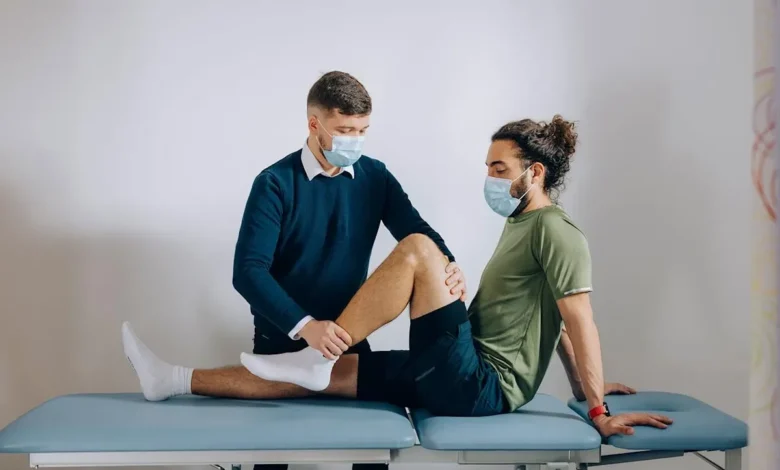
Managing pavatalgia effectively requires moving away from the old, outdated approach of relying on passive lifestyle adjustments. Instead, long-term relief is built on a proactive, multi-tiered therapeutic framework. At the foundation of this strategy is targeted physical and occupational therapy. Rather than pushing through high-impact, exhausting workouts that can further aggravate an unhappily sensitized nervous system, the focus centers entirely on nerve glides (neurodynamics) and low-impact, specialized mobility routines designed to restore normal movement to restricted nerve pathways.
   ┌─────────────────────────────────────────────────────────┐
   │        MULTI-TIERED PAVATALGIA TREATMENT MATRIX         │
   ├────────────────────────┬────────────────────────────────┤
   │ Therapeutic Tier       │ Core Objective & Focus         │
   ├────────────────────────┼────────────────────────────────┤
   │ Neurodynamic Therapy   │ Nerve glides, tissue mobility  │
   │ Metabolic Support      │ Anti-inflammatory nutrition    │
   │ Targeted Pharmacy      │ Nerve stabilizers, modulators  │
   │ Advanced Medicine      │ Photobiomodulation, injections │
   └────────────────────────┴────────────────────────────────┘
Simultaneously, addressing the metabolic side of the equation through targeted nutritional support can dramatically accelerate tissue healing. Shifting toward an anti-inflammatory dietary pattern rich in omega-3 fatty acids, magnesium, and polyphenols helps quiet systemic oxidative stress and improves peripheral blood flow. When your body’s internal chemistry is optimized, the inflammatory cascade around the peripheral nerves begins to settle, allowing the hypersensitized pathways to return to a more stable, baseline state.
For individuals dealing with more severe or stubborn cases, advanced medical interventions can provide the necessary leverage to break the pain cycle. Physicians may introduce targeted prescription medications, such as specialized nerve stabilizers or membrane modulators, to temporarily calm overactive pain signaling. When paired with innovative clinical modalities like photobiomodulation (low-level laser therapy) or ultrasound-guided nerve blocks, these treatments can significantly lower localized inflammation, giving your body the peaceful window it needs to heal, rebuild, and recover.