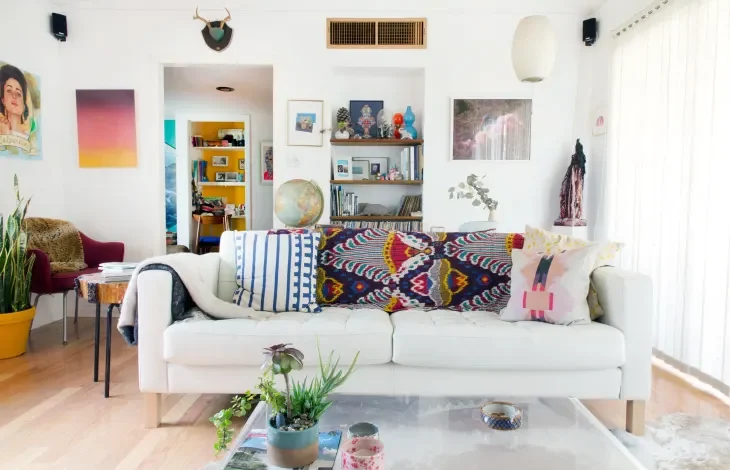
The concept of “apartment therapy” isn’t just about moving furniture around or scrolling through pristine design feeds until your eyes glaze over. At its core, it’s a philosophy that links our mental well-being directly to the physical state of our living spaces. We’ve all felt that subtle, low-grade anxiety that creeps in when the kitchen counters are buried under junk mail, or the sudden wave of calm that hits when a room is freshly vacuumed and bathed in morning light. Our homes act as an outer reflection of our inner lives, and treating your apartment isn’t a luxury—it’s a form of baseline self-care.
When you live in a smaller space, every square foot carries a massive psychological weight. A single misplaced laundry basket can completely disrupt the flow of a room, transforming a cozy sanctuary into a claustrophobic trap. As someone who has analyzed spatial design for years, I’ve realized that the true secret to mastering small-space living isn’t about buying expensive, minimalist storage solutions. It’s about cultivating an intentional relationship with the objects you choose to keep around you. Your home should be a soft landing pad from the chaos of the outside world, not a secondary source of stress.
Taking control of your environment requires a shift from passive occupying to active curation. You don’t need an interior design degree or a massive budget to practice apartment therapy; you just need to start paying attention to how your space makes you feel. If walking through your front door triggers a sigh of exhaustion rather than a sigh of relief, it’s time to diagnose the problem. By breaking down your environment into sensory zones and addressing the pain points one by one, you can transform even the most cramped, uninspiring rental into a functional haven that genuinely feeds your soul.
Diagnosing the Spatial Traps of Modern Rentals
Most rental apartments come with a built-in set of design challenges that can actively work against your mental peace. We’re talking about those awkward, layout-defying corners, the distinct lack of natural light in central hallways, and the ubiquitous “renter beige” walls that feel entirely devoid of personality. The mistake most people make is trying to fight these features head-on with heavy, oversized furniture meant for suburban houses. When you force a massive, dark leather sectional into a compact urban living room, you aren’t just losing physical floor space—you’re suffocating the room’s visual energy.
To fix a space, you have to look at it through the lens of functionality and “visual weight.” Visual weight refers to how heavy an object feels to your eyes when you look at it. For instance, a sofa with exposed legs feels significantly lighter than a solid piece that sits flat on the floor, because your eyes can register the negative space underneath it. When diagnosing your apartment’s issues, look for areas where the visual weight is piling up. Are your windows blocked by heavy drapes? Is your coffee table too bulky for the rug it sits on? Identifying these bottlenecks is the first real step in your therapeutic design journey.
Another massive trap is what I call “surface creep”—the slow, inevitable accumulation of random objects on flat surfaces like entry tables, dressers, and kitchen counters. When every flat plane in your apartment is covered in keys, loose change, half-read books, and charging cables, your brain registers that clutter as unfinished business. It keeps your mind in a constant state of micro-alertness, making it incredibly difficult to truly unwind. Cleansing these surfaces and establishing strict, designated homes for the daily chaos is a non-negotiable part of reclaiming your space.
The Psychology of Color, Light, and Texture
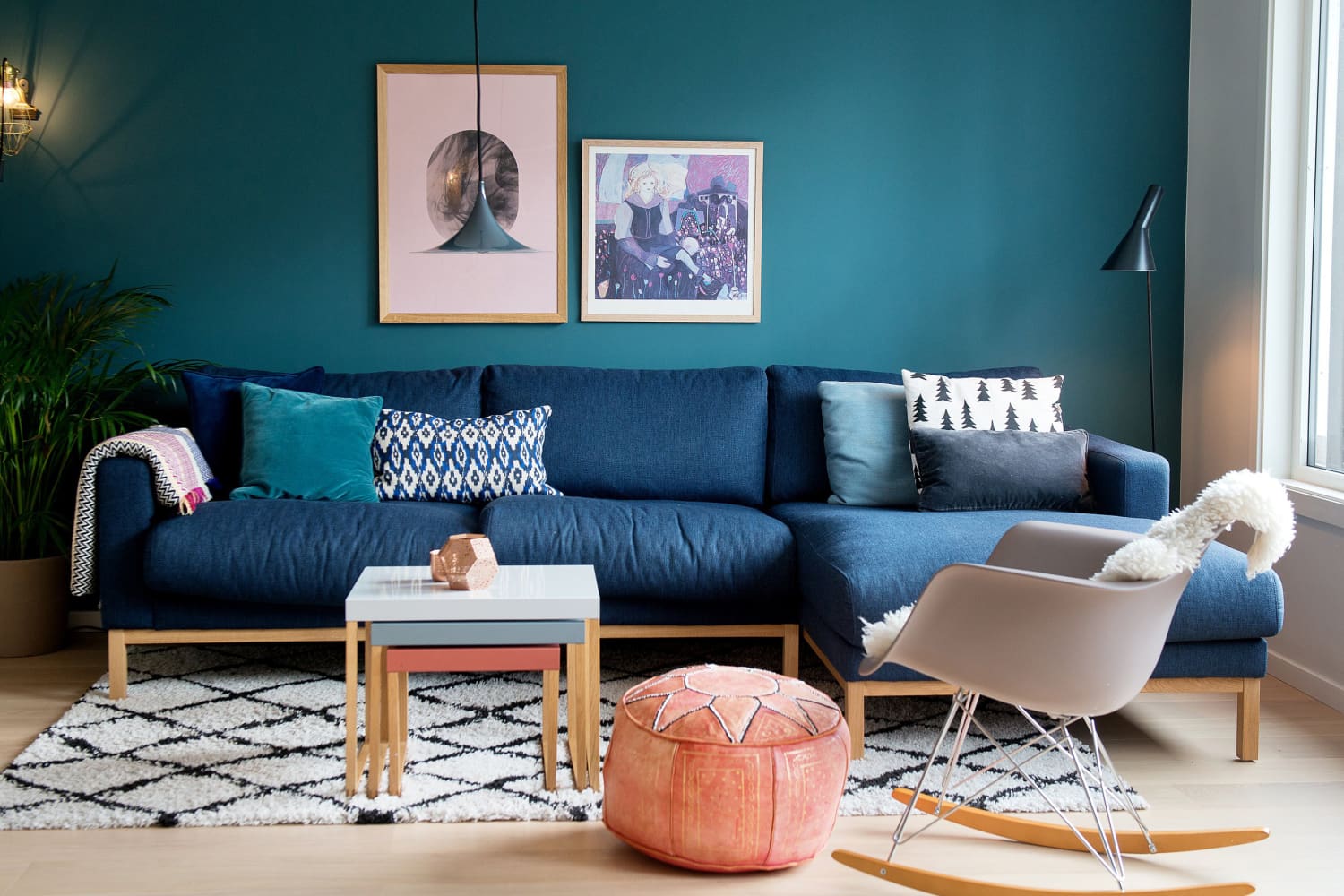
Once you’ve cleared the physical hurdles, Apartment Therapy that you can start playing with the sensory elements that dictate the mood of a room. Color is your most powerful tool here, and its effects are deeply psychological. While it’s tempting to paint everything stark white to make a small apartment feel “bigger,” this can often backfire by making the space feel sterile, cold, and echoing—like an art gallery you aren’t allowed to touch. Instead, expert apartment therapy leans toward warm neutrals, soft earth tones, or even deep, moody hues in specific zones to create a sense of intimacy and containment.
Lighting is the ultimate dealbreaker when it comes to spatial mood. If your apartment relies solely on a single, harsh overhead fixture—often called “the big light” by design enthusiasts—you are doing your mental health a massive disservice. Overhead lighting flattens a room, creates aggressive shadows, and mimics the sterile environment of an office or a hospital. To build a therapeutic atmosphere, you need to layer your lighting. This means combining ambient lighting (like soft floor lamps) with task lighting (like a targeted reading light) and accent lighting (like LED strips behind a TV or small table lamps tucked into bookshelves).
Texture is the unsung hero that bridges the gap between a house and a home. When a space feels flat or uninviting despite having great furniture, it’s almost always a texture deficit. Think about the physical sensations of your apartment: the contrast between a smooth wooden tabletop, a nubby bouclé throw blanket, a woven jute rug, and a sleek ceramic vase. These tactile variations give your eyes a place to rest and explore, creating a rich, layered environment that feels safe and cozy. It’s about engaging all your senses, not just making things look pretty for a photo.
Designing for Flow and Daily Rituals
A beautifully styled apartment is completely useless if it doesn’t align with the way you actually live your life. True apartment therapy is about mapping your space to your daily rituals. If your morning routine involves making pour-over coffee and checking the news, but your coffee gear is buried in a dark cabinet and your favorite chair is blocked by a clothes drying rack, your home is actively working against you. You want to create paths of least resistance for the habits that bring you joy, making them effortless to execute.
Consider the “zone approach” to layout, especially if you live in a studio or an open-concept apartment. Your brain needs distinct spatial cues to transition from “work mode” to “relax mode.” If you work from home at the exact same dining table where you eat dinner and watch TV, those boundaries blur, and your stress levels will inevitably spike. You can create psychological separation using physical anchors: a strategic area rug to define the living zone, a folding screen to hide your workspace at night, or even a specific scent profile—like eucalyptus for work hours and lavender for evening winding down.
Finally, remember that a therapeutic home is a living, breathing ecosystem that changes over time. Your layout shouldn’t be locked in stone the day you move your boxes in. Pay attention to how you move through the space over a couple of weeks. If you find yourself consistently dumping your coat on the back of a kitchen chair instead of walking it to the closet, don’t fight your human nature—put a beautiful coat hook next to the kitchen. Design your home around your actual behavior, not some idealized version of who you think you should be.
The Art of Intentional Art and Greenery
Bringing life into an apartment goes beyond just furniture placement; it requires curated personal touches that tell a story. Plants are an essential component of this process. Beyond their obvious aesthetic value, incorporating greenery introduces a literal living element into your environment. Caring for a simple pothos or a resilient snake plant connects you to a natural rhythm that is easy to lose track of when living in a dense urban environment. They soften sharp architectural lines, purify the air, and provide a vibrant pop of organic color that synthetic decor simply cannot replicate.
When it comes to art, many apartment dwellers fall into the trap of buying generic, mass-produced prints just to fill empty wall space. This often results in a home that feels like a temporary hotel room rather than a personal sanctuary. Expert apartment therapy encourages you to be patient with your walls. Frame things that carry personal history: a map of a city you loved visiting, a vintage exhibition poster, or a piece of textiles passed down through your family. When you surround yourself with visual markers of your own journey, your walls begin to project a deep sense of security and belonging.
Ultimately, your apartment should be a place that protects your energy, inspires your creativity, and allows you to completely drop your guard. It doesn’t matter if your kitchen is outdated, your view is of a brick wall, or your square footage is in the triple digits. By intentionally diagnosing your spatial issues, mastering the balance of light and texture, and structuring your layout around your real-life routines, you turn your living space into a powerful tool for personal wellness. Give your apartment the therapy it deserves, and you’ll find that it starts giving back to you tenfold.