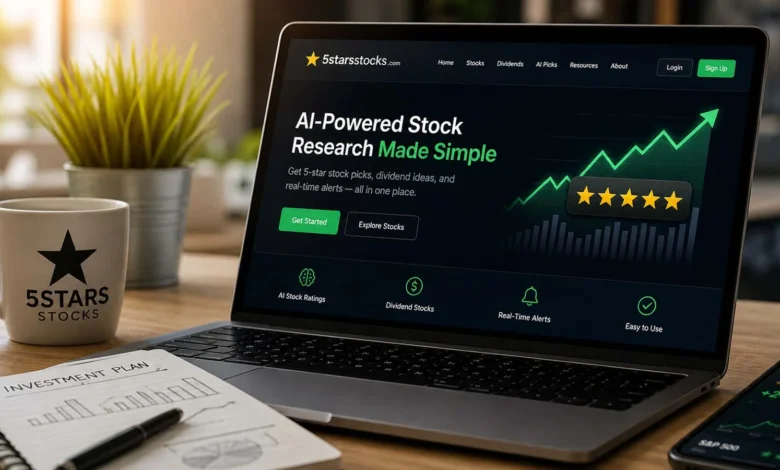
The modern retail investing landscape is louder than it has ever been. Between financial influencers flashing their portfolios on social media, algorithmic trading bots executing microsecond plays, and the relentless stream of 24-hour business news, the average investor is left facing severe analysis paralysis. In this chaotic environment, a new wave of digital analysis platforms has emerged, promising to cut through the noise using artificial intelligence and data aggregation. One of the names that frequently circulates in trading communities and online forums is 5StarsStocks—a concept that sits at the intersection of automated stock screening and contemporary market speculation.
When investors encounter a platform or a screening methodology under the banner of 5StarsStocks, the immediate question is whether it represents a revolutionary edge or just another glossy wrapper on basic financial data. Understanding the true mechanics of stock evaluation requires a healthy dose of skepticism combined with technical curiosity. Stock analysis isn’t magic; it is the systematic processing of fundamental metrics like price-to-earnings ratios alongside technical indicators like momentum and volume. A platform attempting to distill this into a definitive “five-star” rating is essentially trying to turn a complex, multi-dimensional puzzle into a scannable dashboard for busy professionals.
To navigate the market effectively today, you have to look beyond the user interface of any single tool and understand the underlying data pipeline. Whether you are tracking high-flying tech giants or keeping tabs on volatile biotech plays, relying blindly on automated green lights is a shortcut that often leads to unexpected drawdowns. True investment expertise involves knowing how these ratings are constructed, identifying where they stumble, and learning how to blend algorithmic alerts with your own disciplined risk management framework.
Decoding the Five-Star Methodology
To understand how a system like 5StarsStocks purports to evaluate assets, we have to look under the hood of modern quantitative analysis. Traditional rating powerhouses like Morningstar rely heavily on analyst-driven models that calculate a stock’s current price relative to its intrinsic “fair value.” When an automated system adopts a similar five-star vernacular, it typically replaces human analysts with machine learning algorithms. These algorithms pull data simultaneously from stock exchange feeds, corporate financial statements, and real-time market sentiment to determine if a stock is trading at a discount or riding an unsustainable wave of hype.
A robust stock screening framework usually segments its criteria into distinct performance buckets to arrive at a top-tier rating. First, it looks at quality metrics, such as return on equity and debt management, ensuring the company isn’t built on a foundation of bad leverage. Second, it evaluates momentum, checking if the stock is supported by institutional buying or if it’s simply a retail-driven pump. Finally, valuation modeling compares the current share price against historical averages and sector peers. A stock only achieves a hypothetical five-star status when these independent variables align perfectly, indicating a rare intersection of low risk and high growth potential.
However, the major hurdle for new-age analysis platforms is the transparency of their algorithms. While an established institution explicitly publishes its mathematical methodologies, newer digital tools often guard their code as proprietary secrets. This anonymity creates a significant trust gap for serious market participants. As an investor, you must recognize that an algorithmic “buy” signal is only as good as the historical data it was trained on. If a formula prioritizes short-term price momentum over long-term balance sheet health, a five-star rating might pull you into a highly speculative asset right before the macro environment shifts.
Balancing Technical Alerts with Fundamental Reality
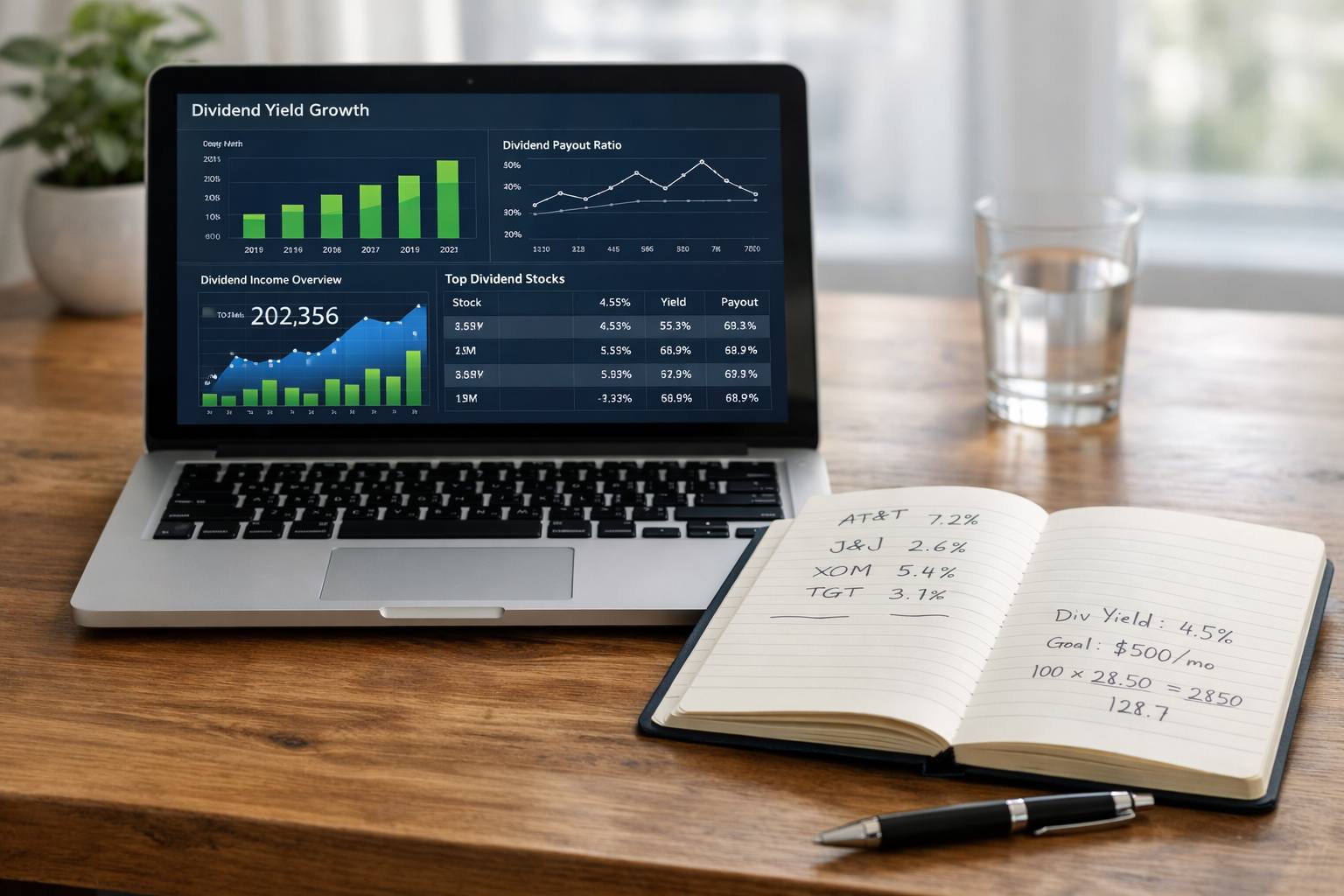
One of the primary appeals of utilizing a streamlined system like 5StarsStocks is the sheer efficiency it offers for portfolio management. Busy professionals don’t have forty hours a week to pore over corporate balance sheets and listen to quarterly earnings calls. Automated alerts and clear visual indicators allow traders to build a manageable watchlist within minutes. For instance, if an investor wants exposure to emerging sectors like genomics or clean energy, a pre-filtered list of highly rated stocks provides an immediate jumping-off point, saving days of manual filtering.
The danger arises when a trader mistakes a data-driven filter for a guaranteed financial outcome. Markets are inherently chaotic systems influenced by human psychology, geopolitical shifts, and sudden regulatory changes that no algorithm can fully predict. Take the biotechnology sector, for example: a company could have flawless financial ratios, strong institutional backing, and a top-tier rating on every quantitative screener. Yet, if an unexpected FDA decision rejects their primary drug candidate, the stock can lose half its value overnight. A star rating cannot predict the human element of a regulatory board or a sudden macroeconomic pivot by the Federal Reserve.
Expert digital hygiene in investing means treating these top-rated selections as hypotheses rather than directives. When a screener flags an asset as a “five-star” opportunity, a seasoned trader uses that notification as an invitation to investigate further, not an instruction to execute a market order. You must check the underlying catalyst behind the rating. Is the stock scoring highly because of a temporary earnings anomaly, or does it possess a genuine, sustainable competitive advantage—what industry veterans call a “moat”? Verifying the data behind the screen is what separates disciplined capital preservation from reckless gambling.
Building an Unshakable Personal Risk Framework
If you choose to incorporate automated screening tools into your routine, your success will ultimately depend on your defensive strategy. The most sophisticated financial software in the world is useless without strict personal guardrails. Every position you open based on a quantitative recommendation should be accompanied by a clear, premeditated exit strategy. This includes setting hard stop-loss percentages to protect your capital from catastrophic drops and establishing clear profit targets so you don’t let greed turn a winning trade into a losing one.
Position sizing is another critical pillar that automated systems often fail to address. A platform might tag a micro-cap cryptocurrency or an obscure small-cap stock with its highest rating due to explosive short-term data patterns. However, assigning the same portfolio weight to a highly volatile asset as you would to a blue-chip utility stock is a recipe for volatility-induced panic. True portfolio management requires a layered approach: allocating the vast majority of your capital to stable, proven assets, while reserving only a minor, controlled percentage for the high-momentum plays uncovered by your digital screeners.
Ultimately, the future of retail investing belongs to those who view technology as a collaborator rather than a replacement for critical thinking. Platforms like 5StarsStocks are excellent mirrors of the current market state; they show you where the data is heating up and where the momentum is concentrated. By coupling these rapid digital insights with your own rigorous verification, strict diversification, and emotional discipline, you can leverage the power of automation without falling victim to its blind spots. Keep your perspective sharp, verify your sources, and never let a digital interface dictate your financial risk tolerance.